

Recovering energy from urban garbage through thermochemical and biochemical methods, garbage to Energy (WtE) creates electricity, steam, and fuels. Depending on the trash's composition and how the outputs are put to use, these innovative technologies can cut down on waste by as much as 90%. WtE facilities not only generate clean electricity, but also provide environmentally sound waste management and disposal options. Municipal solid waste management's environmental implications, such as emissions of greenhouse gases, have been drastically decreased because to the rising usage of WtE as a technique to dispose of solid and liquid wastes and produce electricity.
The global waste to energy sector has benefited from government legislation. These rules push for the utilisation of waste to energy in order to fulfil electrical demands. In the United States, interconnections between renewable energy grids are governed by a number of federal rules and regulations. The FPA grants the federal government jurisdiction over electric utilities. In order to increase competition in the wholesale power markets, the Public Utility Regulatory Policy Act (PURPA) requires utilities to purchase power from eligible facilities. The Energy Policy Act removes SEC oversight from the wholesale power market, making it accessible to electricity generators. Small non-utility generators, such as renewable energy companies, can enter the market thanks to the Public Utility Regulatory Policy Act (PURPA). In addition, by 2030, Canada plans to have 90% of its energy come from emission-free sources. The goal is to encourage the use of sustainable energy and make a big dent in greenhouse gas emissions.
The term "waste-to-energy process" is used to describe a set of procedures for producing usable electricity from municipal solid waste produced in the commercial, institutional, and residential sectors. Several methods are used to convert industrial, commercial, and residential garbage into useful byproducts including fuel, steam, and power. Each technological process yields a distinct final product, which finds use in a wide range of settings, including factories, offices, and homes.
Increases in the number of government programmes aimed at promoting waste-to-energy are expected to be major drivers of the global market throughout the forecast period. Oil and petrol costs are rising in tandem with rising demand for energy. The government is taking a number of steps to increase garbage recycling and energy recovery. Proper waste management is a priority in developing countries, prompting the creation of novel waste-to-energy plants.
Waste creation, environmental dangers, and carbon dioxide (CO2) emissions are all on the rise as a direct result of industrialisation and urbanisation, which in turn are caused by economic expansion. As people's habits have shifted, so has the amount of trash produced at businesses and homes. As an energy source to lower GHG emissions, a clean demand response choice, a factor in the planning of eco-industrial parks, and in some cases the only choice for final waste disposal, waste-to-energy conversion plays an important part in the transition to a sustainable energy ecosystem.
Report Coverage
Global Waste to Energy research report categorizes the market for global based on various segments and regions, forecasts revenue growth, and analyzes trends in each submarket. Global Waste to Energy report analyses the key growth drivers, opportunities, and challenges influencing the global market. Recent market developments and Waste to Energy competitive strategies such as expansion, product launch and development, partnership, merger, and acquisition have been included to draw the competitive landscape in the market. The report strategically identifies and profiles the key Waste to Energy market players and analyses their core competencies in each global market sub-segments.
| REPORT ATTRIBUTES | DETAILS |
|---|---|
| Study Period | 2017-2030 |
| Base Year | 2022 |
| Forecast Period | 2022-2030 |
| Historical Period | 2017-2021 |
| Unit | Value (USD Billion) |
| Key Companies Profiled | Veolia, Huawei Enterprise, China Everbright Limited, Wheelabrator Technologies Inc., SUEZ, Covanta, EDF, Ramboll Group, AVR, and Allseas |
| Segments Covered | • By Product |
| Customization Scope | Free report customization (equivalent to up to 3 analyst working days) with purchase. Addition or alteration to country, regional & segment scope |
Key Points Covered in the Report
- Market Revenue of Waste to Energy Market from 2021 to 2030.
- Market Forecast for Waste to Energy Market from 2021 to 2030.
- Regional Market Share and Revenue from 2021 to 2030.
- Country Market share within region from 2021 to 2030.
- Key Type and Application Revenue and forecast.
- Company Market Share Analysis, Waste to Energy competitive scenario, ranking, and detailed company
profiles. - Market driver, restraints, and detailed COVID-19 impact on Waste to Energy
Market
Competitive Environment:
The research provides an accurate study of the major organisations and companies operating in the global Waste to Energy market, along with a comparative evaluation based on their product portfolios, corporate summaries, geographic reach, business plans, Waste to Energy market shares in specific segments, and SWOT analyses. A detailed analysis of the firms' recent news and developments, such as product development, inventions, joint ventures, partnerships, mergers and acquisitions, strategic alliances, and other activities, is also included in the study. This makes it possible to assess the level of market competition as a whole.
List of Major Market Participants
Veolia, Huawei Enterprise, China Everbright Limited, Wheelabrator Technologies Inc., SUEZ, Covanta, EDF, Ramboll Group, AVR, and Allseas
Primary Target Market
- Market Players of Waste to Energy
- Investors
- End-users
- Government Authorities
- Consulting And Research Firm
- Venture capitalists
- Third-party knowledge providers
- Value-Added Resellers (VARs)
Market Segment:
This study forecasts global, regional, and country revenue from 2019 to 2030. INFINITIVE DATA EXPERT has segmented the global Waste to Energy market based on the below-mentioned segments:
Global Waste to Energy Market, By Waste Type
Municipal Solid Waste
Process Waste
Agriculture Waste
Others
Global Waste to Energy market, By Application
Electricity
Heat
Global Waste to Energy Market, By Technology
Thermochemical
Biochemical
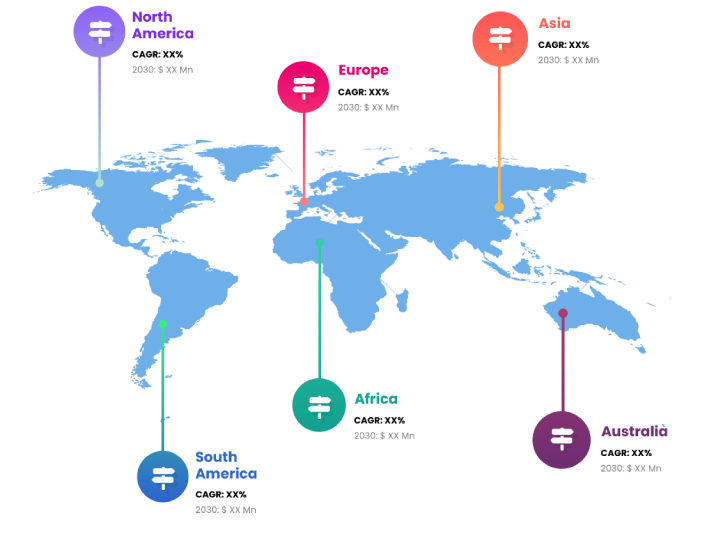
Global Waste to Energy market, Regional Analysis
- Europe: Germany, Uk, France, Italy, Spain, Russia, Rest of Europe
- The Asia Pacific: China,Japan,India,South Korea,Australia,Rest of Asia Pacific
- South America: Brazil, Argentina, Rest of South America
- Middle East & Africa: UAE, Saudi Arabia, Qatar, South Africa, Rest of Middle East & Africa
You will get in-depth and extensive waste to energy market market research and competitor analysis for your business to help you develop more profound insights into the waste to energy market Market.
Through INFINITIVE Data Expert is a professional Market Research services, I will identify the waste to energy market market size, demand & opportunities, growth rate, and target audience with a comprehensive analysis of your competitors.